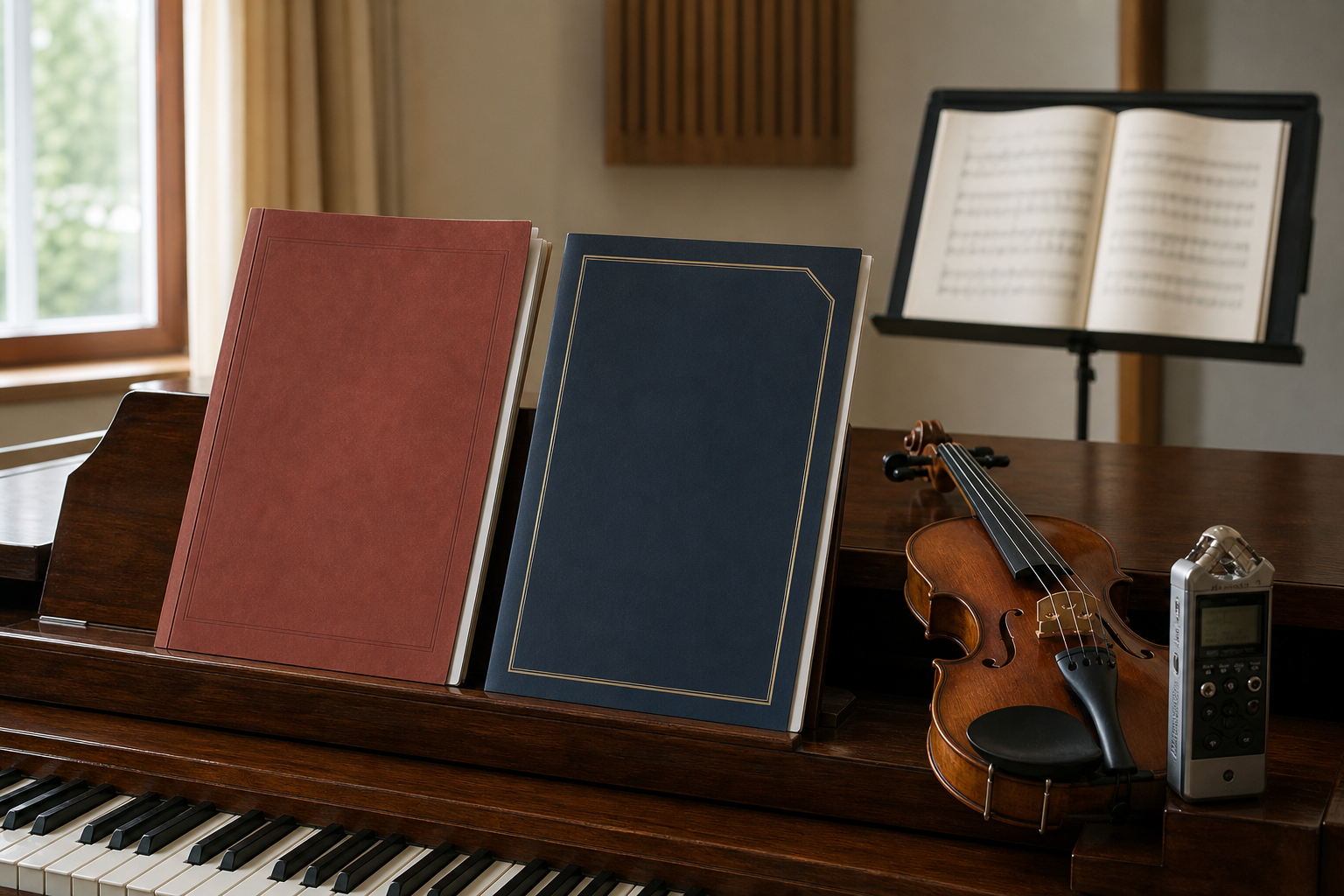
Both ABRSM and Trinity offer recorded exam options for many instruments. But the structure of what you submit, and what the examiner is listening for, differs between boards.
Programme requirements
ABRSM recorded exams require candidates to follow the current syllabus requirements for their grade and instrument. Trinity digital assessments may allow more flexibility in programme construction depending on instrument, grade, and assessment type.
That flexibility can be helpful, but it also places more responsibility on the candidate to confirm that each piece is suitable for the level.
Mark scheme weightings
ABRSM and Trinity use different assessment language and weighting. ABRSM candidates often think in terms of technical security, accuracy, and musical detail across set requirements. Trinity places strong emphasis on musical communication and stylistic intent.
That does not mean one board is easier. It means the same recording may be judged through a different lens.
What to check before submitting to ABRSM
- Confirm all selected pieces are valid for the current syllabus.
- Check that technical work, where required, is secure enough for the grade.
- Confirm file format, framing, and duration requirements.
- Listen for repeated pitch, rhythm, or tone issues that would affect the result band.
What to check before submitting to Trinity
- Review the specific digital assessment requirements for your instrument and grade.
- Confirm any own-choice or free-choice piece meets the technical level expected.
- Pay attention to performance notes and programme context where relevant.
- Make sure the recording communicates character, not only accuracy.
The practical takeaway
Students should not prepare a generic “recorded exam” and assume it fits both boards. The board shapes the preparation priorities. If you are unsure whether a recording is ready for a specific board, ask for feedback against that board’s expectations.
Syllabus requirements change between cycles. Always verify against the current published syllabus before submission.